
Establish whether BGP is needed
BGP exchanges reachability information between autonomous systems. Many business connections can use a simpler design; specialist routing should solve a defined network requirement.
BGP exchanges reachability information between autonomous systems. Many business connections can use a simpler design; specialist routing should solve a defined network requirement.
Review the autonomous system number, prefixes and authority to use them. Provider requirements and acceptable announcements must be agreed before any routing session is configured.
Discuss default routes, selected routes or full tables only where supported. Filters, prefix limits and policy boundaries need to match the service and router capacity.
Check the applicable routing-registry records and RPKI route-origin authorisations with the resource holder. Creating or changing those records requires the appropriate authority.
BGP can be part of a multi-upstream network, but it does not by itself create physical diversity or uninterrupted operation. Access paths, addressing and failover behaviour still require assessment.
Define session checks, route visibility, escalation and change approval. Any monitoring or managed routing functions are included only where specified in the accepted proposal.
The service design must confirm protocol support, accepted prefixes, routing policy and equipment responsibilities. A full internet routing table, particular communities or specific traffic-engineering features are not assumed.
Before implementation, agree an authorised change window, validation and rollback plan. Routing-policy changes can affect reachability, so control of customer and upstream equipment must be clearly assigned.
Provide the ASN, prefix inventory and resource-holder details through an agreed secure process.
Describe the upstreams, desired route exchange and resilience goals.
Review interfaces, software support, route scale and processing capacity.
Agree policy ownership, authorised changes, acceptance checks and escalation.
Usually a static-address service can operate without a customer BGP session. The appropriate routing method depends on the service and network requirements.
They can be assessed, subject to ownership or authority, provider requirements, routing policy and service compatibility.
No. Convergence, reachability, stateful applications, addressing and underlying service paths can affect the result. The design needs suitable testing.
No such features are assumed. Route options, filters, limits, supported attributes and management scope must be explicitly confirmed.
KernWi-Fi works with MikroTik and UniFi platforms. The appropriate equipment, configuration and management arrangements depend on the site, service handoff and agreed project requirements.
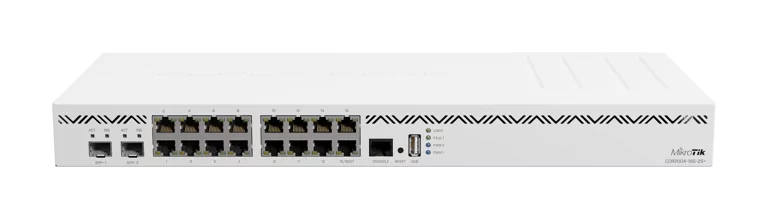
Equipment shown is illustrative and is not automatically included with a service. Product imagery: MikroTik and Ubiquiti.
Tell us about your locations, applications, existing services and the outcome you need. KernWi-Fi can assess suitable options and prepare a proposal with a clear scope.